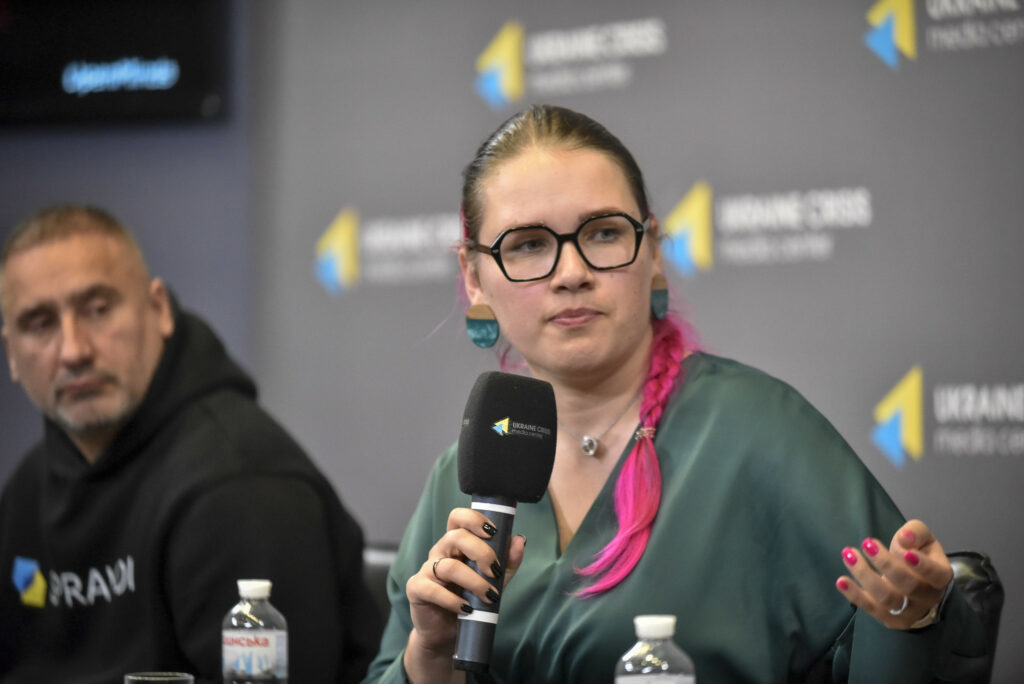

The course towards European integration and cooperation with the EU will have greater support in the Moldovan government – this is considered a key result of the country’s parliamentary elections. It was achieved despite Russia’s active attempts to interfere in the electoral process. Participants in the expert discussion “Russian Disinformation during the Parliamentary Elections in Moldova; Lessons for Ukraine” spoke on the main narratives of Russian propaganda, how Telegram and TikTok were used to influence voter behavior, and what conclusions Ukraine should draw for the further protection of its national interests during election campaigns.
Mr. Volodymyr Solovian, head of the Hybrid Warfare Analysis Group at the Ukraine Crisis Media Center, outlined a number of techniques that Russia used to influence the course of the elections in Moldova. In particular, he emphasized the dissemination of false and manipulative polls. So-called “public” polls were conducted on pro-Russian media outlets, and their alleged results were promoted through Telegram channels and TikTok, creating the illusion of public support for the forces desired by the Kremlin.
Another trend was the active presence of political content on TikTok. Both the government and the opposition tried to use this platform to communicate with voters, but it was the government that managed to establish an effective dialogue, avoiding a situation where the campaign was reduced to just quick visual content. Russian propaganda also actively exploited the theme of war, linking it to European integration in an attempt to heighten voters’ fears and disappointment.
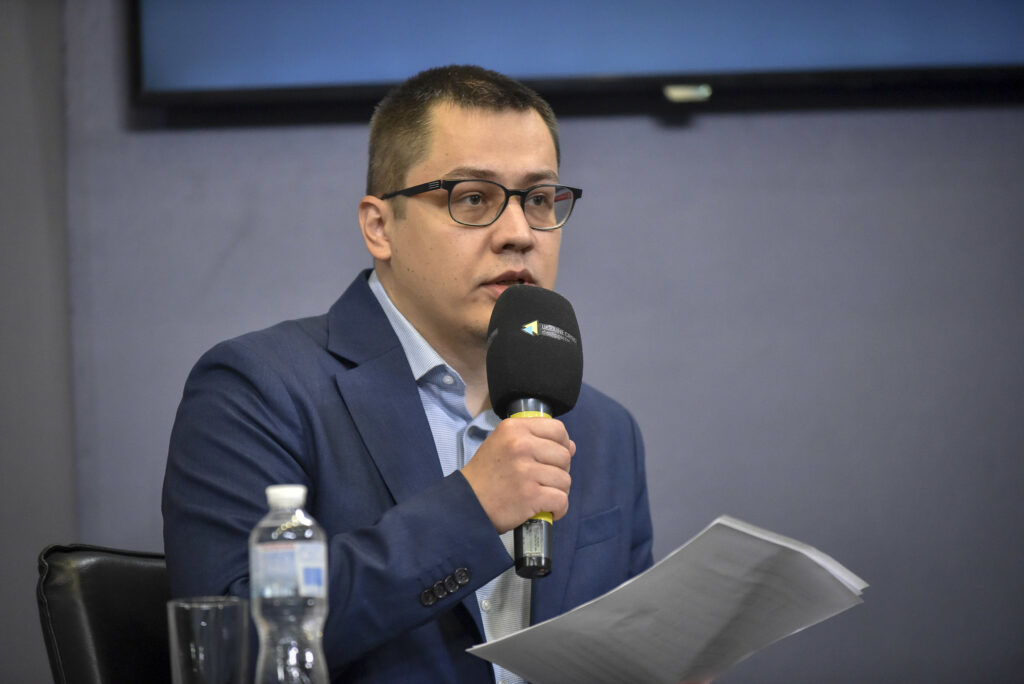
“It should be noted that the authorities communicated quite successfully with voters, and unlike the elections that took place in November 2024 in Romania, this time there was no domination of candidates who could spread their political programs and conduct campaigns via TikTok,” said Volodymyr Solovian.
Mr. Mykyta Kuzmenko, analyst at the UCMC, drew attention to the spread of conspiracy theories, in particular an information operation called Plan Anti-Trump. The author of this disinformation was pro-Kremlin former Ukrainian TV presenter Diana Panchenko, who claimed that France, Great Britain, Moldova, and Ukraine were allegedly conspiring to escalate tensions in Transnistria.
“On September 11, 2025, she published a letter to US President Donald Trump on her Telegram channel, in which she allegedly said that France, Great Britain, Moldova, and Ukraine were preparing a plan to escalate the situation in Transnistria. However, despite the hype, this disinformation campaign was unsuccessful and failed to influence the electoral process,” the analyst noted.
Mr. Mihai Isac, foreign policy and security analyst and senior editor at Karadeniz Press Agency, emphasized that Moscow is transforming Moldova from a testing ground into a real laboratory for hybrid warfare. In his opinion, it is necessary to invest in media literacy, cybersecurity, and institutional transparency. He also drew attention to cases of priests being involved in spreading Russian propaganda, who should be held accountable for participating in such operations.
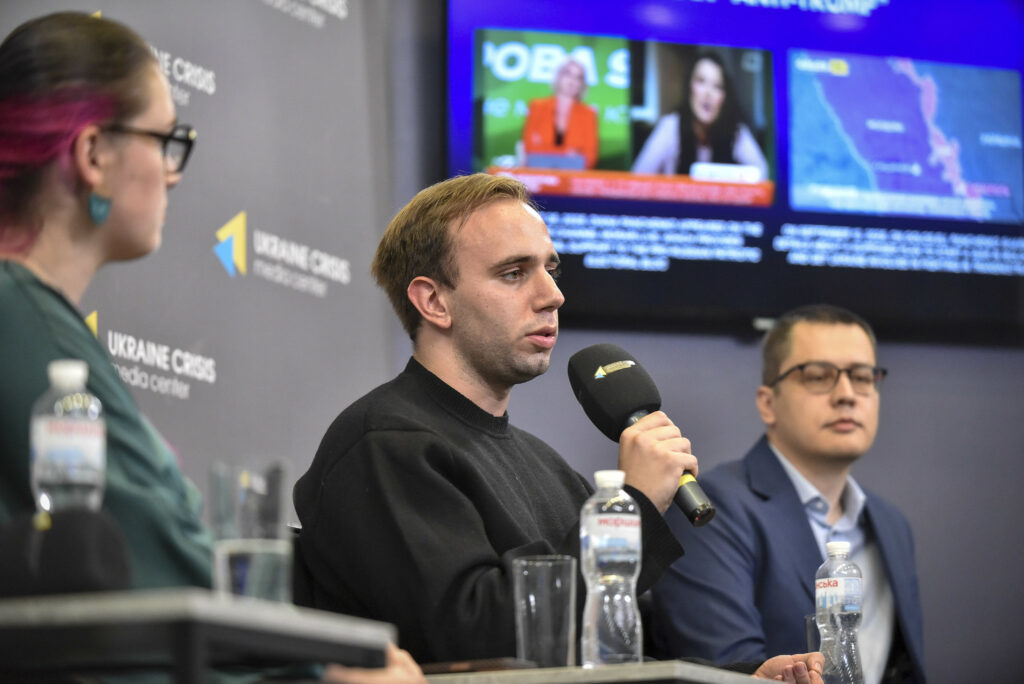
Speaking about the results of the parliamentary elections, Ms. Tatiana Cojocari, a researcher at the Institute of Political Sciences and International Relations of the Romanian Academy, noted that the battle had been won, but not the war, and that Russia would definitely put pressure on Transnistria. The expert stressed that although the Moldovan authorities have taken steps to counter disinformation, the low level of trust in traditional media remains a problem. While in 2005 this figure was 60%, in 2025 it is only 30%.
“When it comes to the information space, I don’t believe that much has changed in this regard compared to the situation a year ago. We still have 70% of the population using mostly social media. If you want to fight disinformation, but you don’t trust your media, how can you fight all manifestations of disinformation?” asked Tatiana Cojocari.
Mr. Constantin Uzdriș, a political analyst and chief producer at TVR Moldova, emphasized the need for a tougher approach to regulating foreign media activities and transparency in their financing. According to Mr. Uzdriș, particular attention should be paid to the activities of influencers who shape political content.
Summing up the discussion, Volodymyr Solovian stressed: “Ukraine needs to closely monitor trends in Russian disinformation, especially in the context of attempts to influence the online behavior of voters. We must be prepared for Russia to continue its attempts to influence public opinion in Ukraine, even in the post-war period.”
The event was held as part of the United for Truth project with the support of the Canada Ukraine Foundation #UnitedForTruth.