

The growth of military-technical cooperation between Russia and North Korea, its impact on the course of the Russian-Ukrainian war and on the security situation in East Asia became the topic of an expert discussion at the Ukrainian Crisis Media Center.
Is it possible to say that at this stage, it is not so important for Russia to involve North Korea, given the depletion of the primary arsenals that North Korea provided as part of its ammunition supplies?
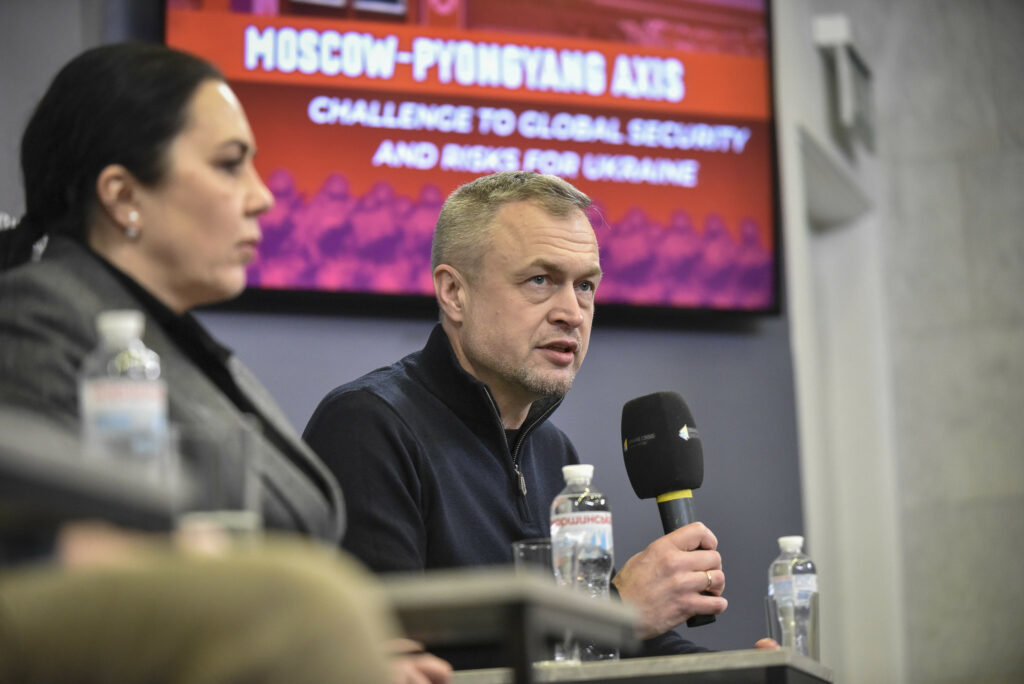
According to Mr. Mikhail Samus, director of the New Geopolitics Research Network platform, over the past year Russia has effectively turned North Korea into a production site for its military industry. Without North Korean supplies, Russia would not have been able to maintain the intensity of its offensive operations in 2024. It is North Korean ammunition that has allowed Russia to maintain a pace of artillery use that would be unattainable without external support. Although, according to experts, the DPRK’s resources are now partially depleted, it still remains one of the key sources of Russia’s offensive potential.
Despite the obvious threat from Pyongyang, cooperation between Russia and the DPRK has not become a unifying factor for strengthening the partnership between Ukraine and South Korea. Ms. Natalia Butyrska, an associate senior analyst at the New Europe Center, explained that Seoul has two opposing political lineson how to respond to the DPRK’s actions, and this hinders the possibility of providing Ukraine with defense support. At the same time, North Korea, according to her, is already significantly modernizing its own armed forces through cooperation with the Russian Federation, gaining access to technology and financing, and its troops are participating in combat operations and gaining unique combat experience. This creates a new level of threats to South Korean security, although some political elites in Seoul tend to underestimate the growth of these risks.
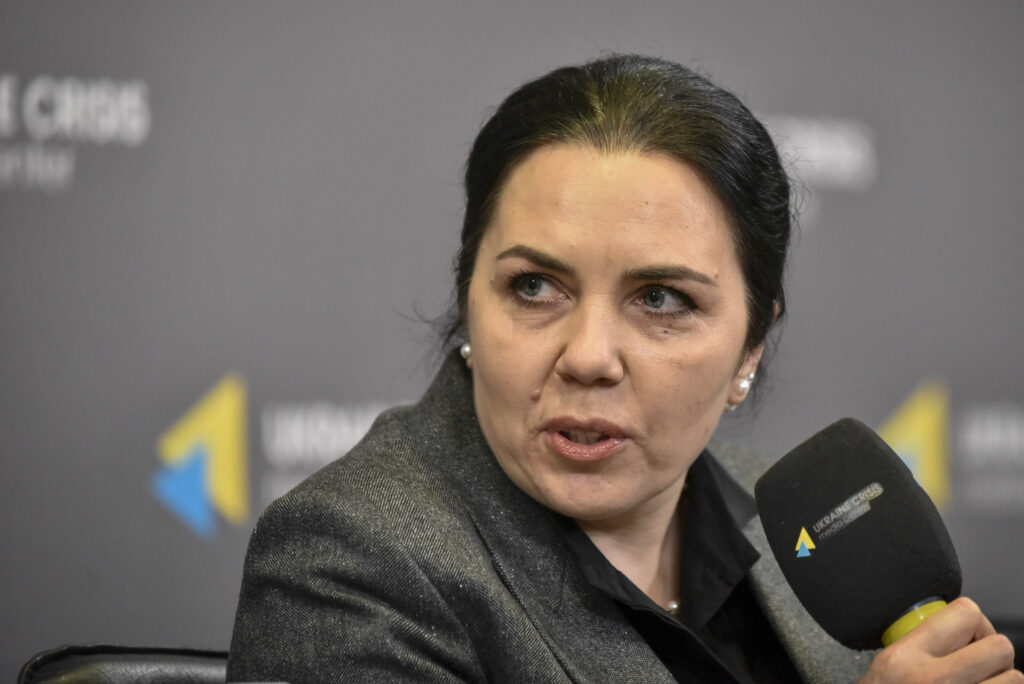
An important geopolitical aspect is the role of China. According to Mr. Taras Zhovtenko, a security analyst at the Democratic Initiatives Foundation, the close interaction between Moscow and Pyongyang does not occur without Beijing’s strategic approval. The DPRK performs the function of a proxy state, allowing China to indirectly support Russia in the war against Ukraine. In addition, Beijing benefits from strengthening its control over the Northern Sea Route, which is becoming a more convenient and safer trade route for it. China, the expert emphasized, is not interested in Russia’s defeat, as this could lead to a reorientation of US attention from Europe to the Asia-Pacific region.
Further development of cooperation between Moscow and Pyongyang can occur in two scenarios: systematization and expansion of joint actions (including the possible use of North Korean personnel in other regions), or gradual stagnation if the Kremlin’s interest decreases. However, regardless of the scenario, it is important for Ukraine to strengthen information work with partners in the West and in East Asian countries. This opinion was expressed by Mr. Volodymyr Solovian, head of the Hybrid Warfare Analysis Group of the UCMC. He emphasized that further coverage of the topic of Russian-North Korean military rapprochement is critically important for both Ukrainian and global security.
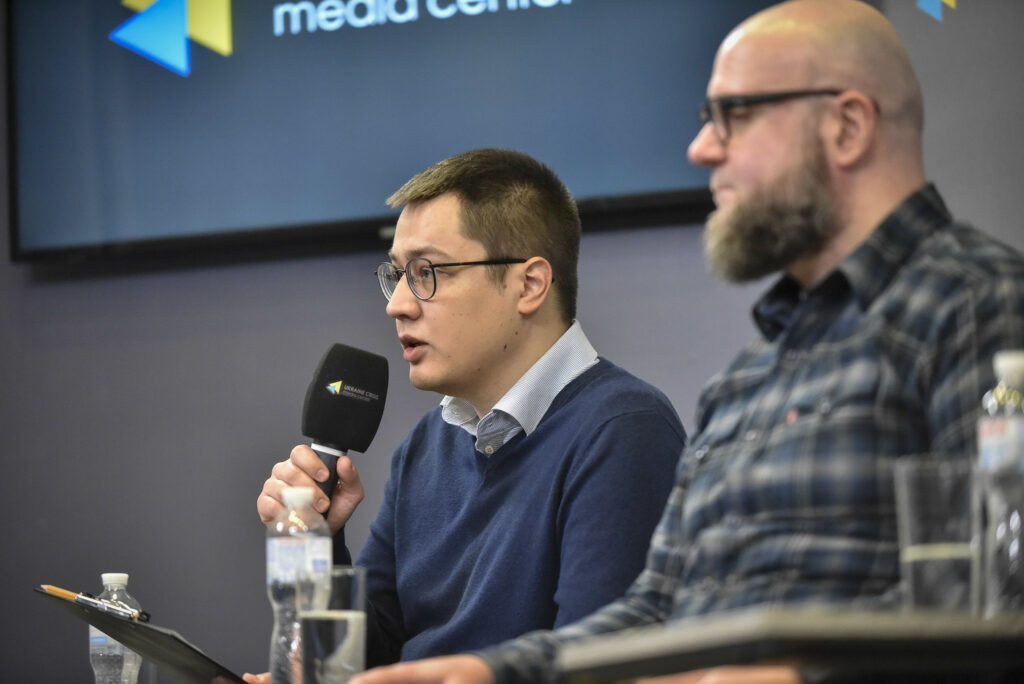
“Our group will continue to work to engage foreign experts, journalists, and analytical institutions in discussing these trends. We need to dispel the myths that exist in East Asian societies about Ukraine, as they are a significant obstacle to Ukraine’s cooperation, to opening these markets, and to Ukrainian products,” noted Volodymyr Solovian.
The event was held as part of the United for Truth project with the support of the Canada Ukraine Foundation #UnitedForTruth