

In the context of the Russian Federation’s full-scale aggression against Ukraine and the global transformation of the international security architecture, the issue of Russian influence outside Europe is becoming particularly relevant. This was the topic of an expert discussion entitled “Russia’s Influence in Latin America and the Caribbean: Trends and Challenges,” during which participants discussed Moscow’s instruments of “soft power,” the role of disinformation, and the consequences of changes in US policy toward the region.
Participants discussed Russia’s use of informational, cultural, diplomatic, and economic mechanisms to strengthen its position in Latin American countries, as well as the weakness of alternative narratives, which creates a favorable environment for the spread of Russian propaganda.
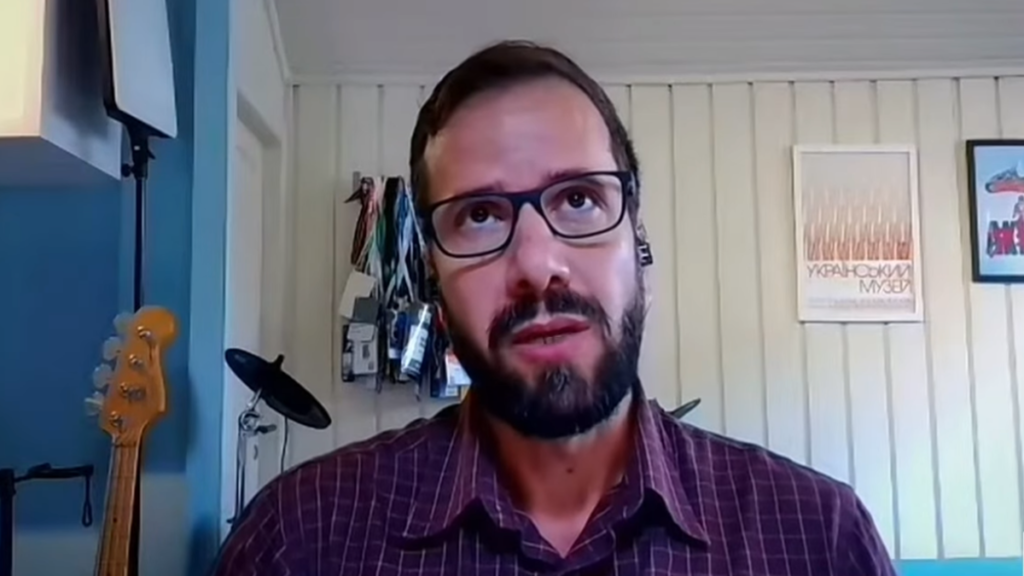
Mr. Fabricio Vitorino (Brazil), an expert in digital journalism, drew attention to the growing activity of Russian propaganda media in Brazil, in particular Sputnik and Russia Today. According to him, despite financial constraints and the cessation of official operations in 2023, Sputnik has found ways to continue its activities by hiring local journalists and launching large-scale marketing campaigns. At the same time, there are no warnings in Brazil that these media outlets are part of the Russian Federation’s state propaganda machine, which is banned in the EU and the US.
The expert stressed that the vacuum of Ukraine’s informational and cultural presence in the region is being actively filled by Russian disinformation narratives, including claims about “Nazi Ukraine.” In this context, he emphasized the importance of strengthening Ukraine’s presence in the academic environment, developing information channels, cultural exchange, and interparliamentary contacts between Ukraine and Brazil.
Ms. Agostina Cavasotto, assistant professor at the Center for Global Governance Studies at Austral University (Argentina), focused on the specifics of Russian influence in Argentina. She noted that, unlike other countries in the region, Russia’s presence here is more pragmatic and multi-vector in nature, often fitting into the logic of alternative foreign policy relations with China and other states.

Russian influence in Argentina manifests itself through a combination of open contacts, economic interests, and covert forms of disinformation, which often find support in academic and political circles. At the same time, Buenos Aires, while maintaining a general commonality of positions with the West, avoids crossing Moscow’s “red lines” — in particular regarding sanctions and military support for Ukraine.
The case of Peru as an example of a typical Russian strategy of influence in the region was presented by Mr. Mykyta Kuzmenko, an analyst at the Hybrid Warfare Analysis Group of the Ukraine Crisis Media Center. He pointed out that the network of Russian influence in the country is bilateral in nature and includes both representatives of Russian structures and local political elites.
Before the start of the full-scale invasion of Ukraine by the Russian Federation, the Russia-Peru parliamentary friendship group was active in Peru, and its members continue to participate in events organized by Russian diplomatic and cultural institutions. The Russian House and related organizations also play an important role in promoting the Russian language and culture as an instrument of influence, often undermining the national identity of other peoples, including Ukrainians.
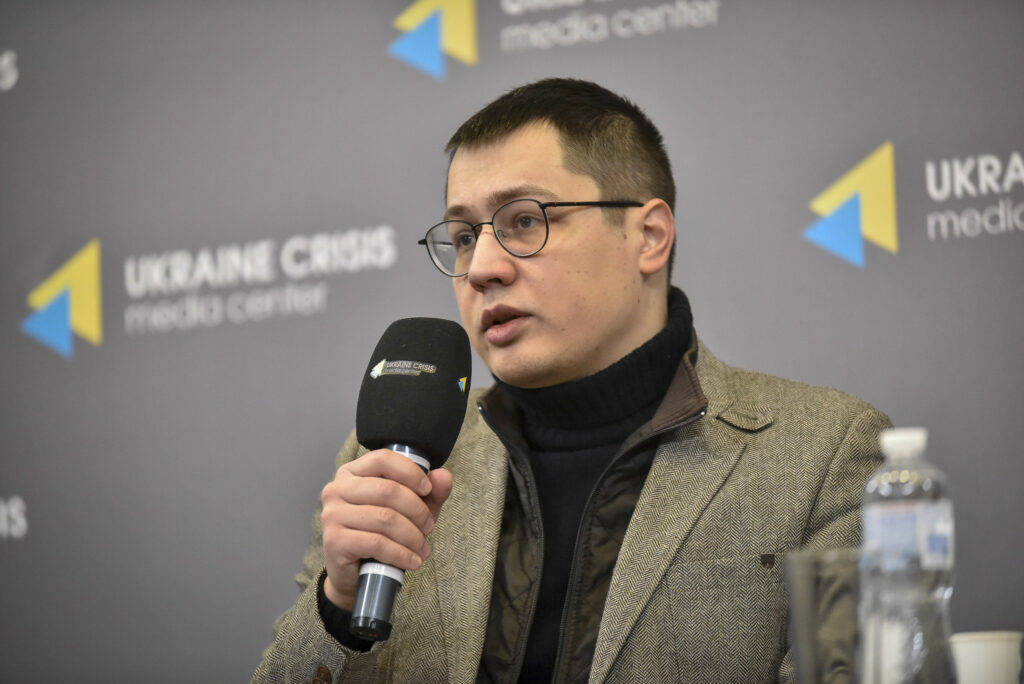
Summing up the discussion, Mr. Vladimir Solovian, head of the Hybrid Warfare Analysis Group, stressed the importance of further developing of the expert cooperation with Latin American and Caribbean countries.
“We will continue to hold similar events in the future. This is one of the important tools for promoting Ukraine’s information presence in different regions of the world, which is substantial for building a just post-war world in which Ukraine must find its niche, and this applies not only to information, but also to the economy, politics, and, in general, the international prestige that Ukraine has earned and, I believe, defended with the sacrifices and resilience demonstrated by the Ukrainian people, but above all by the Armed Forces of Ukraine,” he said.
The event was held as part of the United for Truth project with the support of the Canada Ukraine Foundation #UnitedForTruth