
In an interview on the FREEДОМ TV channel, Volodymyr Solovian, Head of the Hybrid Warfare Analysis Group at UCMC, analyzed the significance of the PURL initiative for strengthening Ukraine’s air defense and explained the logic behind the non-public participation of certain countries in this programme.
Text version:
How do you assess the fact that three more countries are ready to support Ukraine within the PURL initiative? Why do these countries remain unnamed?
Not all European capitals want to openly participate in initiatives that may provoke an aggressive diplomatic reaction from the Kremlin or even attempts at sabotage. Therefore, this approach is entirely understandable.
I would not place too much emphasis specifically on the anonymous participation of certain countries in the PURL programme. The main priority for Ukraine is the continued financing of this programme, as it allows the country to receive scarce missile defence capabilities.
It is noteworthy that even in circumstances where Donald Trump’s administration has largely shifted its attention to Iran, supplies to Ukraine are continuing. This is important, especially given the shortage of missile defence systems and missiles also faced by the countries of the Persian Gulf.
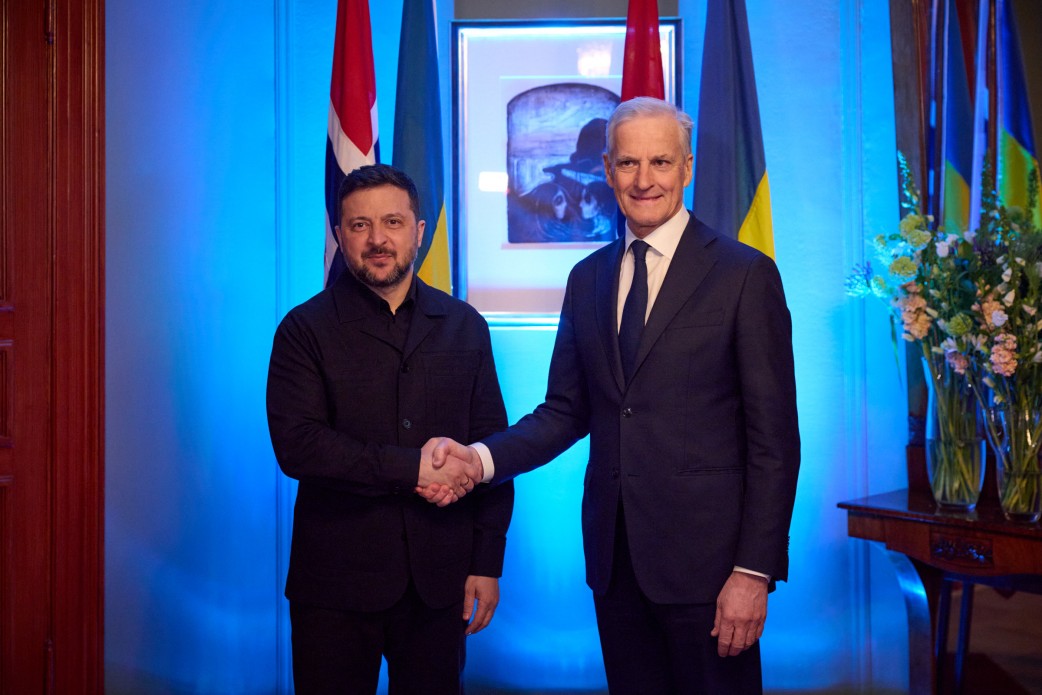
For Kyiv, the key priority is to ensure the uninterrupted operation of the PURL mechanism. According to Ukrainian military analysts, this requires accumulating at least USD 1 billion per month within this initiative.
At present, the fundraising process is wave-like in nature. Instead, Ukraine needs a predictable mechanism under which European countries and other partners would undertake commitments to make regular monthly contributions.
In this context, the number of countries involved in PURL is also an important political signal. It is one of the markers of international support for Ukraine, which is read in the United States and could strengthen Kyiv’s position on the negotiation track.
At the same time, as the Congressional elections approach, the White House may try to make a maneuver on the international stage in order to divert attention from the controversial results of the campaign against Iran. Various scenarios cannot be ruled out — from a blockade of Cuba to a new stage of pressure on Ukraine aimed at quickly reaching agreements that could be presented to American voters as Donald Trump’s global peacekeeping success.
That is why it is critically important for Ukraine that deliveries under PURL remain stable and do not depend on the current position of the U.S. administration, which may change quite chaotically, including with regard to Ukraine.
What alternatives to PURL exist to ensure that Ukraine does not depend on the United States?
Looking at this issue from the perspective of the coming years, unfortunately, Europe currently does not have the capacity to create fully autonomous production cycles in the defence sector that would be independent of both China and the United States.
It will be possible to speak about full-fledged autonomy only in the post-war environment, once certain ceasefire arrangements have been reached and Ukraine is able to reform its Armed Forces based on European weapons models and technological solutions.
Therefore, under the current conditions, it is important for Europe to preserve unity with the United States and prevent a split in the Euro-Atlantic space. Mechanisms such as PURL make it possible, through European funding, to maintain a strong lobby among American industrial actors and influence the administration of the U.S. President.
This is an important lever not only for Ukraine, but also for Europe, which is interested in maintaining constructive ties with Washington.
Ukraine can play a special role here as a country with unique experience in implementing drone technologies and the ability to scale up the production of relatively inexpensive types of weapons. In the future, this experience will be increasingly analyzed and gradually integrated into NATO doctrines.
How do you assess the prospects for concluding long-term defence agreements with European countries?
For Ukraine, the main aspect is the creation of joint ventures and the integration of the Ukrainian defence industry into the broader European defence architecture.
It is clear that in the coming years Europeans will focus on developing their own autonomous logistics chains that are less dependent on the United States. This is linked to the unpredictability of Donald Trump’s administration, as well as the lack of a clear understanding of who may become his successor.
Even today, some European analysts and politicians are speaking about the uncertainty surrounding NATO’s future. Given this turbulence, Europeans will increasingly develop their own defence capabilities.
In this context, Ukraine has unique experience and already possesses a sufficiently adaptive resource base for producing inexpensive and effective means of striking the enemy, as well as systems for protection against aerial threats.
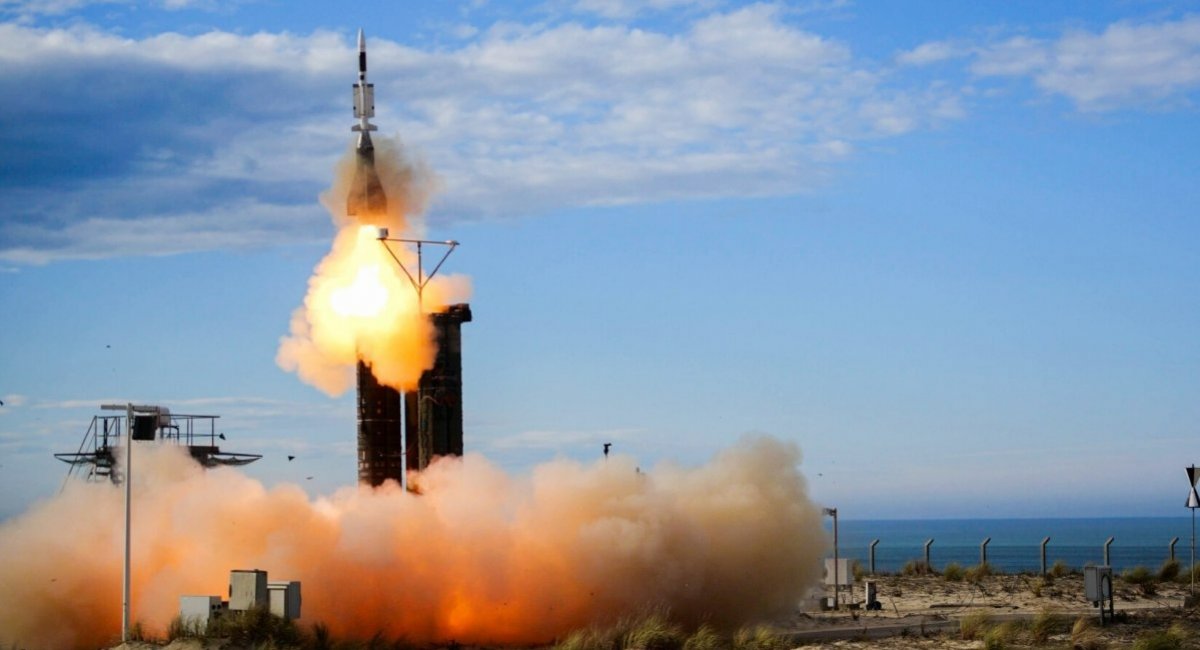
However, if we look at the production of key components – for example, missiles for the SAMP/T missile defence system, which is the European analogue of the American Patriot – the situation remains difficult. According to official statements, by 2028 Europeans plan to increase the production of missiles for SAMP/T to 500 units per year. But this is already insufficient today, particularly when it comes to countering Russia’s capacity to produce Iskander-type missiles.
Therefore, long-term agreements are important, but they do not solve the problem quickly on their own. Their value lies in the gradual integration of Ukraine into the European defence sector, the creation of joint production facilities, and the formation of a more autonomous security system. In the short term, however, Ukraine still needs stable deliveries and regular funding for existing mechanisms, including PURL.

