
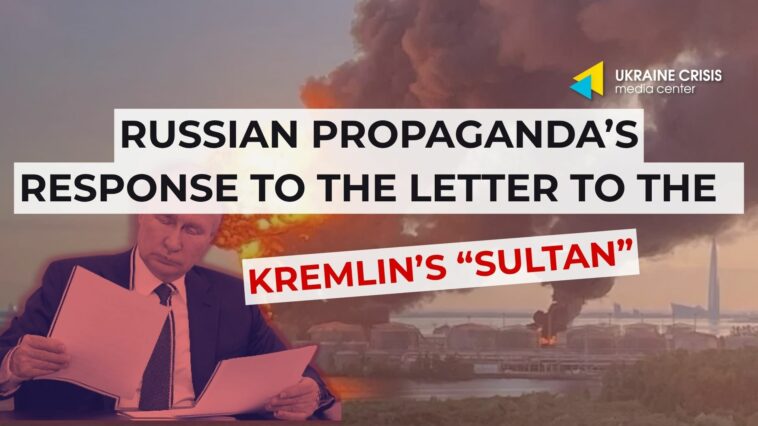
On the evening of 4 June 2026, Volodymyr Zelenskyy published an open letter to Vladimir Putin, proposing an end to the war through direct negotiations and an in-person meeting between the two leaders on neutral ground. Kyiv declared its readiness to implement a full ceasefire for the duration of the talks. The appeal came the day after a Ukrainian drone strike on St Petersburg, coinciding with the opening of the St Petersburg International Economic Forum (SPIEF).
Addressing the forum, Putin said
that he “did not yet see the point” of meeting Zelenskyy. According to him, agreements must first be reached “for the long-term historical perspective”, rather than merely securing a short-term ceasefire.
He focused not on the substance of the proposals but on their form, claiming that the letter contained “elements of rudeness”. He rarely referred to Zelenskyy by name, instead calling him “the author of the letter”. Responding to the reference to his age, Putin noted that many world leaders were older than him. He advised Zelenskyy “not to be afraid” of elections and “not to usurp power”, alleged that Zelenskyy had previously requested a meeting through a Russian businessman, and thanked Donald Trump for “educating” the Ukrainian president.
Presidential spokesman Dmitry Peskov said that the Kremlin had seen the letter but that Putin would be briefed on it “later”. He also repeated the claim that Zelenskyy was “expected in Moscow”. The following day, Peskov complained about the public format of the appeal, arguing that had Zelenskyy genuinely wished to deliver a letter, he would have sent it directly rather than “announcing it to the whole world”. He added that no official channels of communication with Ukraine existed.
Russian Foreign Minister Sergey Lavrov described the public circulation of the letter “around the world” as inconsistent with diplomatic etiquette, remarking that “polite people do not behave this way”. According to him, Putin regarded the message as evidence of Kyiv’s unwillingness to negotiate rather than as a genuine proposal.
In an extensive column, military propagandist Alexander Kots described the letter as “a piano solo” rather than a path towards compromise. He argued that negotiations do not begin with ultimatums, that the text contained no compromises, and that its “threats” amounted to blackmail. In his view, the appeal was intended for a Western audience rather than for Putin and was more of a “performance” than a peace initiative.
The greatest irritation among Z-bloggers was caused not by the letter itself or by Putin’s response, but by a related statement made during SPIEF that the Oreshnik missile strikes on Bila Tserkva and the occupied part of the Donetsk region had been conducted “for the sake of an experiment”. Z-bloggers, who had previously presented the strikes as “punishment” for Ukrainian Armed Forces attacks, responded with a series of indignant posts accusing the Kremlin of contradicting its own earlier propaganda.
Russian state media merely relayed the official positions of Russian officials. Their shared editorial line was to downplay the importance of the letter and shift attention towards Zelenskyy’s alleged “illegitimacy” and the supposed use of “megaphone diplomacy”.
The intensity of the reaction can also be explained by the way the appeal was interpreted in the West. The BBC described the tone of the letter as defiant and even mocking; The New York Times characterised it as a combination of a peace proposal and ridicule; while the Associated Press highlighted its criticism of Putin’s 26-year rule.
The Russian response to Zelenskyy’s letter demonstrates an unwillingness to engage in a substantive discussion about ending the war and an effort to move the debate away from the substance of the proposals and towards the political discrediting of Kyiv.
Putin, Peskov and Lavrov effectively rejected the prospect of a meeting and declined to discuss the key elements of the initiative. Instead, they focused on the tone of the letter, its public format, the alleged breach of diplomatic etiquette and the claim that Zelenskyy was “illegitimate”.
This approach allows the Kremlin to avoid directly rejecting a peace initiative while simultaneously refusing to enter negotiations on terms that would recognise the Ukrainian president as a fully legitimate party to the dialogue.
The reaction within the Z-community was also revealing. Its anger was directed not only at Zelenskyy’s letter but also at Putin’s statement that the Oreshnik strikes had been “experimental”. This exposed the discrepancy between the propagandistic presentation of the attacks as “punishment” and the reality of their use as a demonstration.
Overall, the common denominator of the Russian reactions was an attempt to neutralise the political impact of the appeal by presenting it not as a negotiating proposal but as an information provocation aimed at the West.
At the same time, the sharpness of the Kremlin’s public responses suggests that the letter placed Moscow in an uncomfortable communications position. Publicly agreeing to a meeting would have meant recognising Zelenskyy as a legitimate negotiating partner, while openly refusing would have strengthened the image of Russia as a party uninterested in ending the war.

