
Just a few years ago, it seemed that a hypothetical “bread-and-butter party” would oust a hypothetical “freedom party” from the political arena; however, the results of election campaigns in Moldova and Hungary have strengthened the camp of supporters of pan-European values. And it could expand further if pro-Western forces win in Armenia in June. No one doubts that the Kremlin will resist such an outcome to the very end, but will Moscow succeed in achieving its goals, as it did in Sakartvelo? Moldova’s experience has shown that even a small country is capable of defending democracy today, and the elections in Hungary have proven that Russian narratives are not always what a disaffected voter listens to. Participants in the expert discussion entitled “Russian Influence Operations During Election Campaigns in EU and Eastern Partnership Countries in 2024–2025: Lessons for Ukraine” explored this topic in greater detail.
The discussion began with a presentation prepared by the Hybrid Warfare Analytical Group (HWAG) of the Ukraine Crisis Media Center, which used examples from Romania, the Czech Republic, and Hungary to analyze elections in EU countries as targets of Russian disinformation operations. The experts also focused on the spread of pro-Russian narratives within the 2025–2026 electoral processes in EU countries.
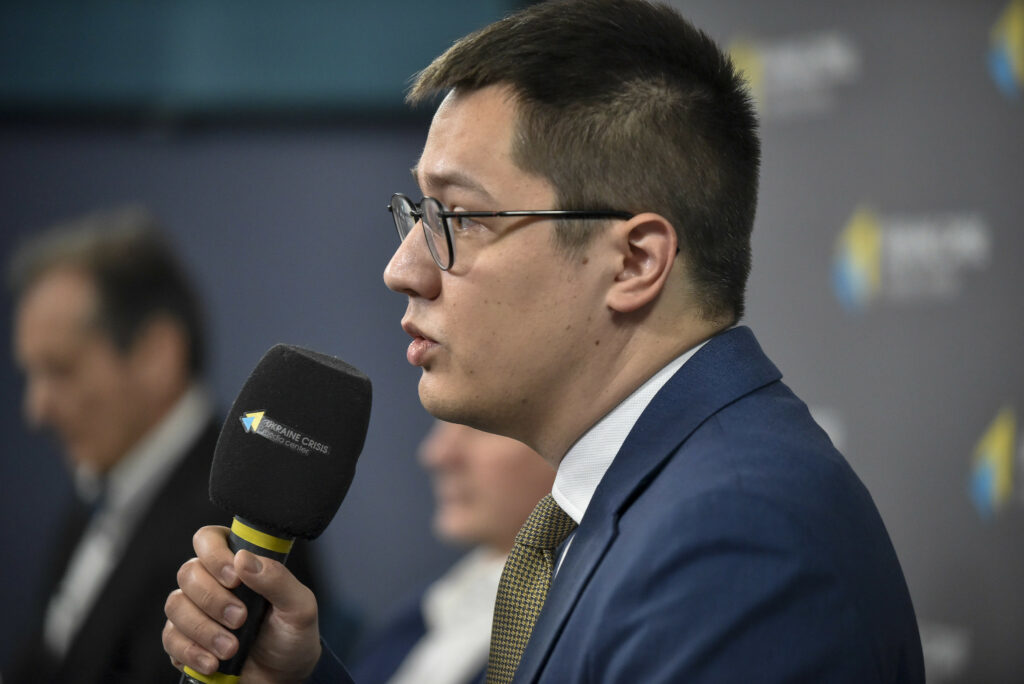
In order to summarize the findings, a number of key trends were identified.. First and foremost, the attempt to use social media, and primarily TikTok, to spread pro-Russian narratives.
“This trend, even in the Ukrainian context, should be reflected not only in the work of analytical groups and civil society organizations, but, I believe, should also resonate with government authorities in order to raise media literacy and avoid the risks that Russia will create for us specifically through the use of TikTok bloggers,” said the HWAG team leader Volodymyr Solovian on this matter.
He is convinced that since Russia does not restrict itself to any moral or ethical norms in campaigns organized using artificial intelligence, Ukrainians should not limit themselves to certain ethical frameworks either, provided these information operations are directed against Russia.
According to Fedir Shandor, Ukraine’s Ambassador Extraordinary and Plenipotentiary to Hungary, despite the influence of TikTok or any new social media platforms, voters should not be underestimated. In Hungary, people are simply tired of the fact that for any problem—whether it’s municipal issues, bad roads, or poor quality of education or healthcare—Orbán’s party has claimed that Ukraine is to blame for everything.
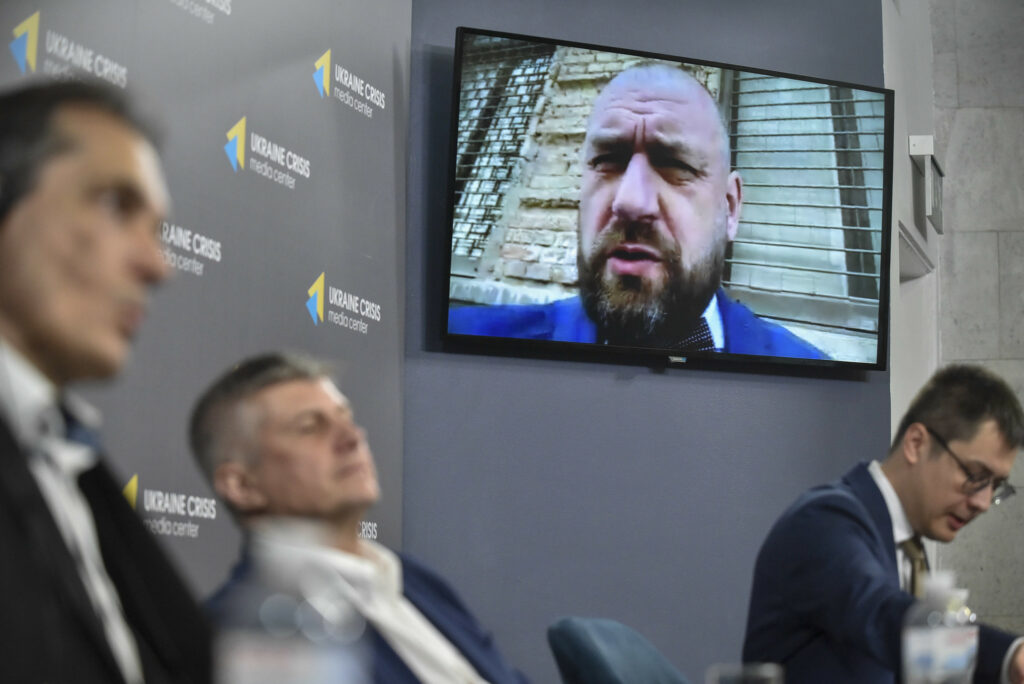
“Today, the media and political establishment, and the Hungarian electorate as a whole, are shocked by how the Fidesz party has completely disappeared from the scene. And other parties waging anti-Ukrainian propaganda should reflect on this. This means these tactics are not working,” the diplomat concluded.
Vadym Halaychuk, First Deputy Chairman of the Verkhovna Rada Committee on Ukraine’s Integration into the European Union and Member of the Ukrainian Parliament, noted that the Russians are quick learners, constantly changing their tactics and strategy. Therefore, we must actively monitor the decisions that will be made in the future.
“It’s very good that there are studies like this that allow us to stay focused, stay alert, and understand how the Russians operate. We have extensive experience in Ukraine; this is being addressed by both government agencies and many civil society organizations, even commercial entities, which conduct high-quality monitoring that helps us understand these active Russian influence operations and develop recommendations for countering them,” he said.
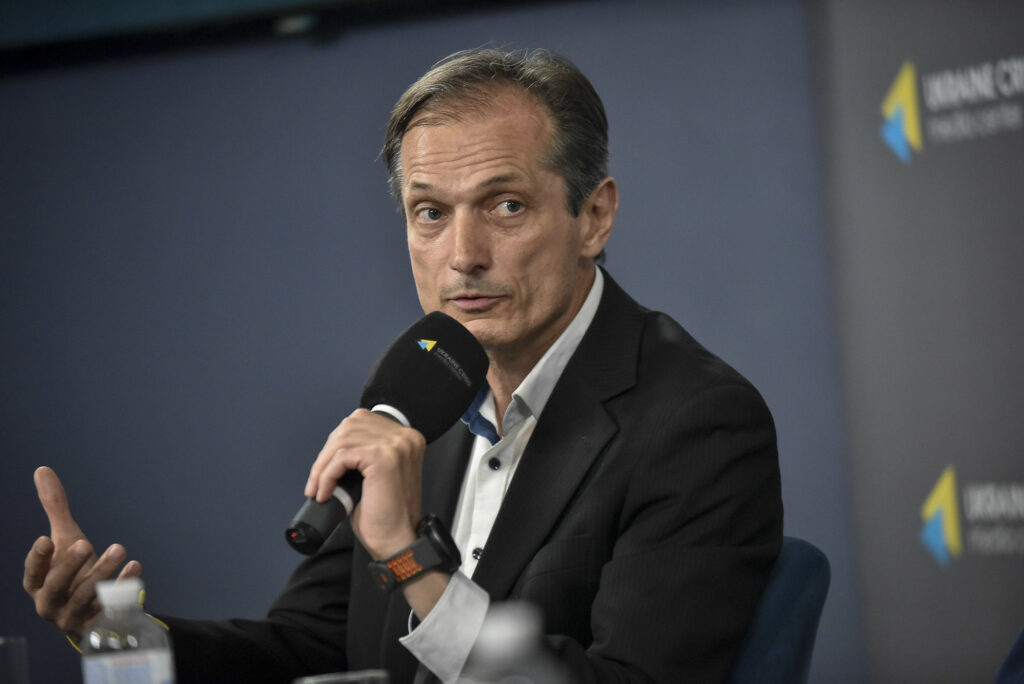
How did it happen that in Moldova, where a third of the population is pro-Russian and hundreds of millions of dollars were poured in from Russia, the Russians lost? Mihai Vacariu, an associate professor at the Faculty of Journalism and Communication Sciences at the University of Bucharest, cited one of the reasons. He believes this happened because President Maia Sandu built a highly effective system to counter Russian propaganda, and Europe should follow the example of such determination.
A key difference in the 2024–2025 campaigns was that Russia shifted—or more precisely, transformed—from classic propaganda campaigns to a system of hybrid aggression, where various processes and tools are synchronized. This view was expressed by Lidiia Smola, a professor at the Igor Sikorsky Kyiv Polytechnic Institute and a political analyst.
“Russian intelligence agencies radically differentiate the tools they use depending on the strength of the target country’s state institutions and its level of economic development. In other words, the same tools were not used in every country. And the main feature lay in this flexibility. In the upcoming elections, Ukraine must remember that Russia exploited the real internal problems of each country during all these election campaigns. It did not create new conflicts, but rather monitored social conflicts, identified problem areas, and amplified them.”
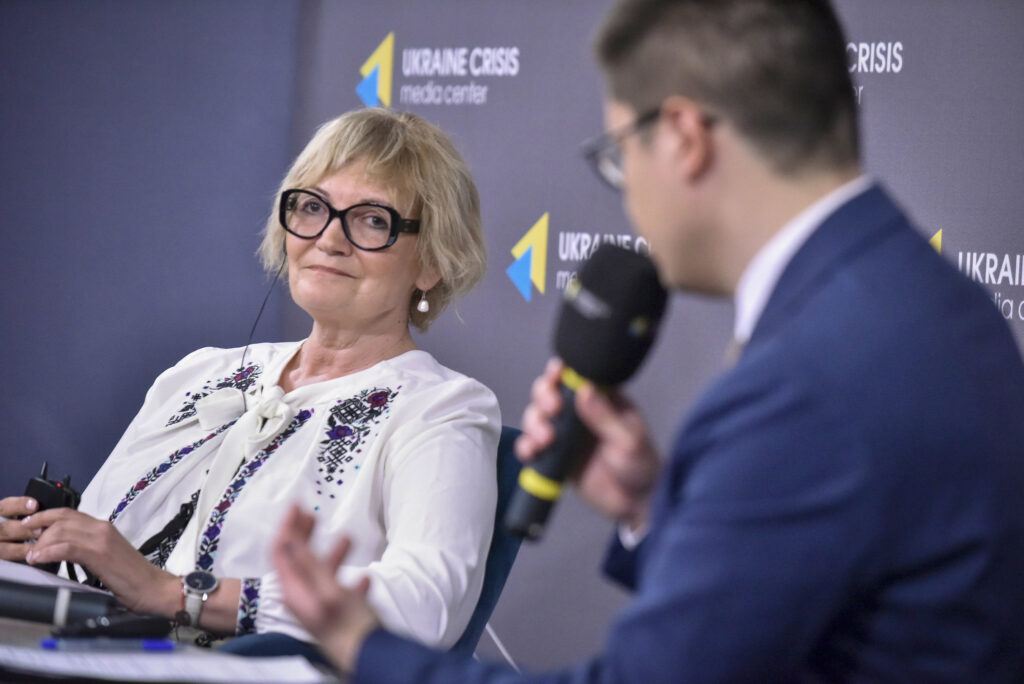
Tiina Ilsen, Chair of the Board of the International Practitioners’ Partnership Network (PractNet), arrived in Kyiv to share Estonia’s experience with countries that wish to stay on a European course. Before speaking on behalf of the Estonians, she bowed to the Ukrainians and thanked them for what they are doing.
“You stand with us, and we will do whatever is needed for our Ukrainian friends,” the guest assured the audience.
Tiina Ilsen commented on the election outcomes discussed in the study and acknowledged that external manipulation has become a common practice, as various forces see windows of opportunity in different elections and seek to influence countries according to their own needs or desires. This is what happened in Sakartvelo, where voter intimidation tactics were used to seize power—a weapon the Kremlin always pulls out when it needs to influence another country.
And that is one situation. A completely different one has emerged in Moldova, where the young democracy has learned the lessons of other countries and prepared to defend itself.
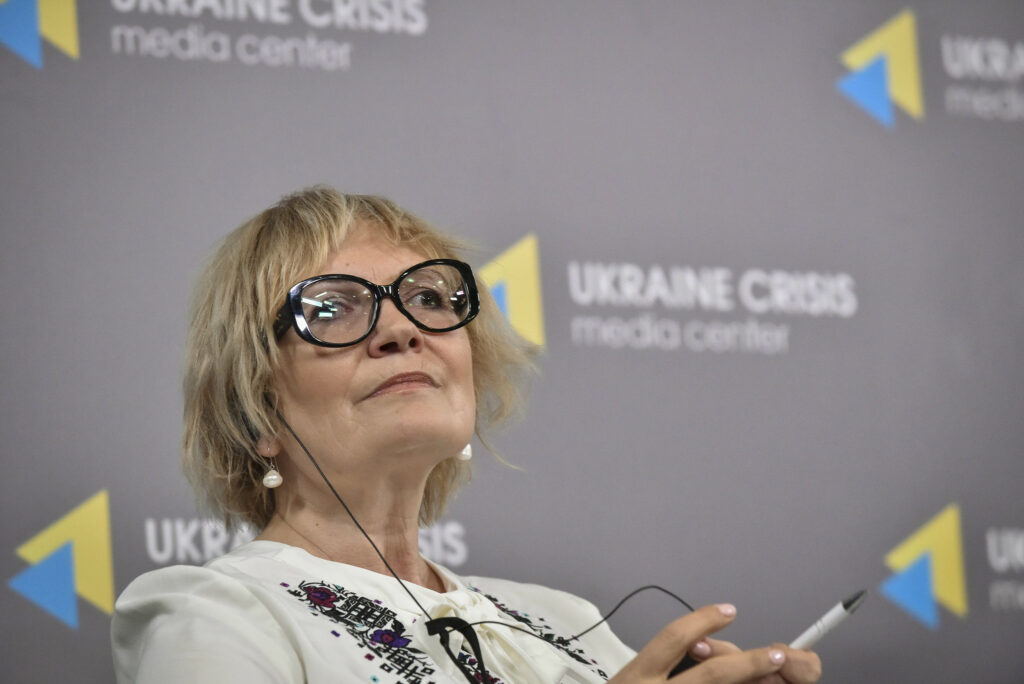
“They said: ‘We know nothing, and we need to learn more.’ That’s when the changes began. We began preparing in 2022 and continued in 2023, studying how to build state strategic communications, how to foster resilience, how to make people proud of their self-sufficiency, and what it means to feel secure in one’s own country. And this is methodological work—strategic communications and their capacity within government institutions, the security sector, civil society, and the media. When it comes to cooperation, it’s about creating the sense that it’s not the government versus civil society, but that everyone shares a common responsibility to make the country a place where people want to live. And this isn’t a matter of one person being at fault for another. It’s a collective effort by all parts of society. And it doesn’t happen overnight; it takes work. And that’s what Moldovans have been doing,” emphasized the Chair of the Board of the International Practitioners’ Partnership Network.
According to her, if people do not understand the core values of their society, it becomes extremely difficult to combat hostile information. Successful resilience against disinformation requires the resilience of the entire society. Government institutions alone are not enough. In addition to values, people need positive prospects for the future.
“Success comes from consistent initiatives. When the government becomes reactive, it opens the information space to sophisticated operations. So, no matter what the Russians do with their narratives, they cannot offer a safe and prosperous future to any of us,” emphasized Tiina Ilsen.
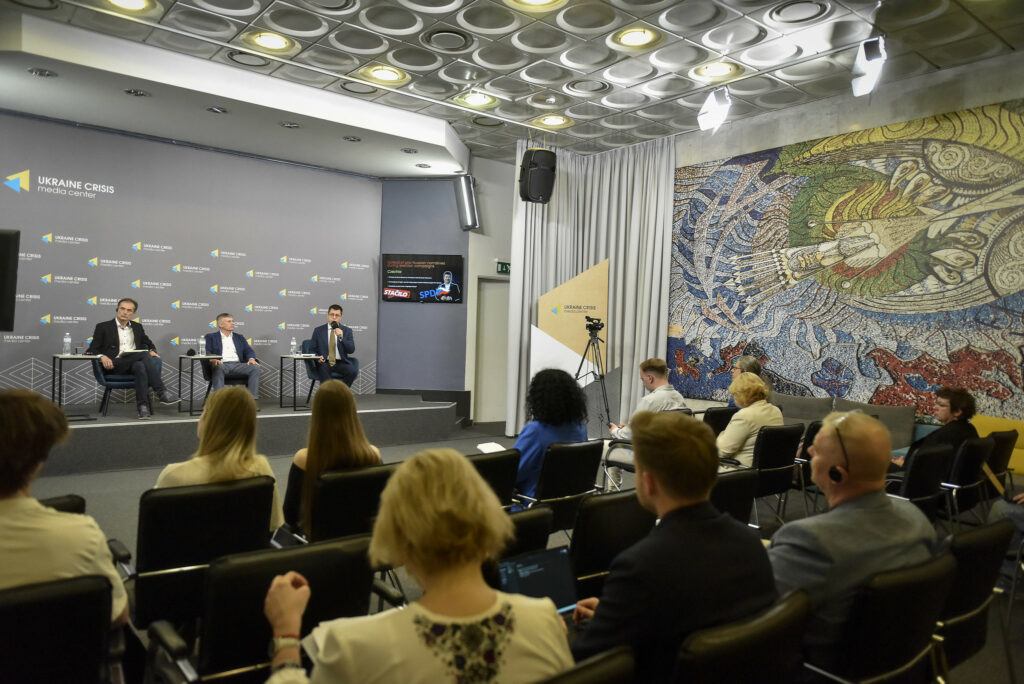
At the conclusion of the discussion, Volodymyr Solovian identified the key points Ukraine should focus on to protect itself from Russian influence in the upcoming elections.
Influencing elections is not a separate campaign, he believes. It is merely one aspect of Russia’s long-term information influence. Therefore, interventions during the elections themselves should be viewed as a period of greatest informational vulnerability, but at the same time, these campaigns must be analyzed in terms of Russia’s long-term influences and strategies. Their overall goal generally aligns with the Kremlin’s geopolitical ambitions regarding a specific country.
The rise to power of pro-Russian opposition forces is not necessarily Russia’s goal. It may seem that the Kremlin primarily focuses on victory and regime change; consequently, if this strategy fails, the Kremlin is considered to have suffered a defeat. However, in reality, the Kremlin’s intentions might be to affect the policies of the incumbent government, as by stirring up society with certain fears, the Kremlin can influence state policy.
“I’d like to say a few words about social media. For Ukraine, the most pressing threat is TikTok. While in 2019 Telegram was the main platform for the infiltration of Russian narratives, now it’s TikTok. We’re seeing a network of pseudo-bloggers emerging. Some of them operate from European Union countries. Unfortunately, Austria is currently the largest of such hubs. And precisely because Ukraine does not even have physical access to the tools needed to block these channels, we do not have access to TikTok’s information dissemination algorithms. This poses threats in the context of upcoming elections in Ukraine. As for the use of artificial intelligence, Ukraine must act in kind. We cannot afford the luxury of limiting ourselves to certain ethical norms regarding the Russians when it comes to the application of artificial intelligence,” noted the head of the Hybrid Warfare Analytical Group of the Ukraine Crisis Media Center.
The fear of war, which the Russians have been actively manipulating lately, will no longer work in Ukraine’s elections. Other trigger points will be sought—public dissatisfaction with the consequences of the war and mobilization. Additionally, once active hostilities end, the demand for social justice will increase. This will create a foundation on which certain radical projects may emerge—projects that may not necessarily be directly pro-Russian but will attack the pro-European course or attempt to promote an agenda that risks affecting the dynamics and prospects of Ukraine’s European integration.
The discussion also featured Pavel Havlíček, a research fellow at the Association for International Affairs (Czech Republic); Valeriu Pașa, a political expert and head of the Watch Dog community (Moldova); Tinatin Khidasheli (Georgia), head of Civic IDEA and former Minister of Defense of Georgia; Arnold Bleyan (Armenia), head of the Armenian Center for Democracy and Security Affairs; and Dementii Bilyi, political scientist and head of the Kherson Regional Organization of the Committee of Voters of Ukraine.
The event took place as part of the project “Supporting the Strengthening of Strategic Communication as an Integral Component of Building Resilience in Ukraine” in partnership with PractNet, Estonia, with the support of the European Union.

