
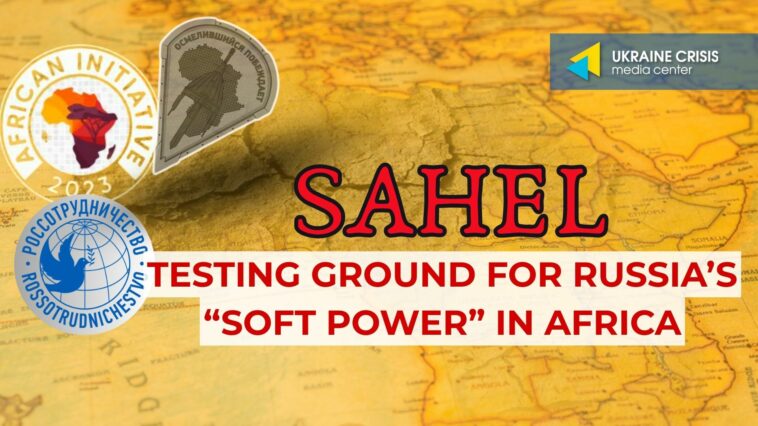
In recent years, the Sahel region has become one of the key zones of geopolitical instability in Africa. It combines chronic security challenges, weak state institutions, active jihadist groups, and socio-economic vulnerability. In this context, the Sahel has emerged as a space where a security vacuum and a crisis of trust toward Western states and international organizations have opened opportunities for alternative external actors.
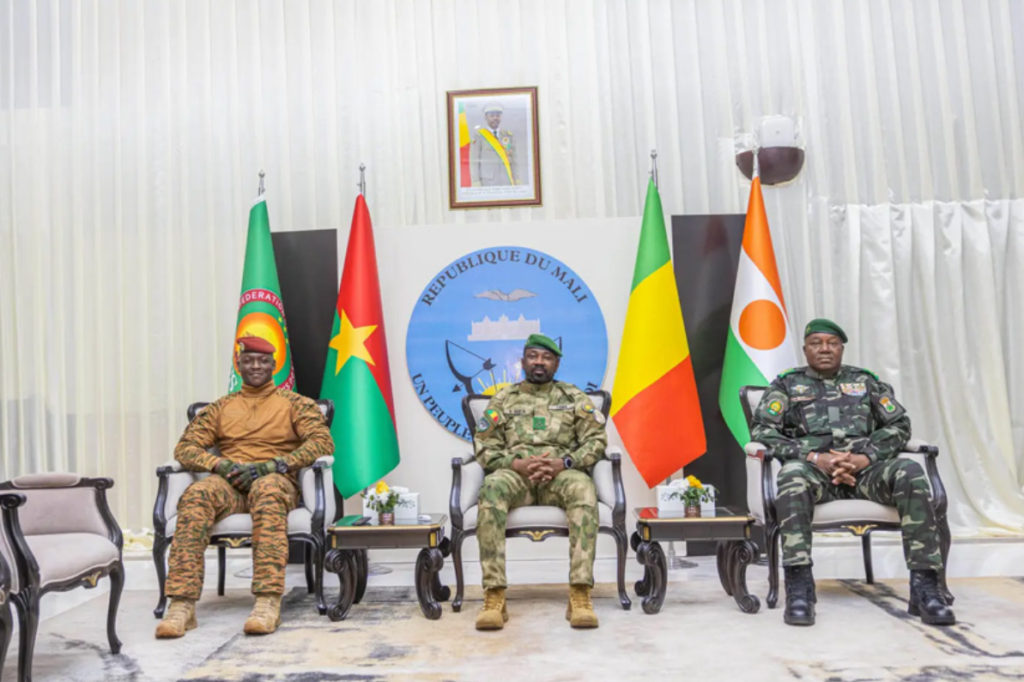
A series of military coups after 2020 in Mali, Burkina Faso, and Niger radically transformed the region’s political landscape. These countries not only distanced themselves from the West but also initiated an alternative format of regional integration – The Alliance of Sahel States (AES), later transformed into a confederation project. The new regimes found themselves under pressure from international sanctions and conflicts with regional organizations, including ECOWAS, while simultaneously facing protracted wars with local separatist movements and jihadist organizations. Russia seized this opportunity by offering a model of cooperation that combines security support without political conditions and a readiness to quickly replace Western partners.
It is important to note that Russia’s strategy in the Sahel is not limited to military presence. It increasingly relies on a comprehensive approach in which military, political, and informational instruments reinforce one another, forming a long-term architecture of influence.
The main instruments of Russian Influence in the Sahel region
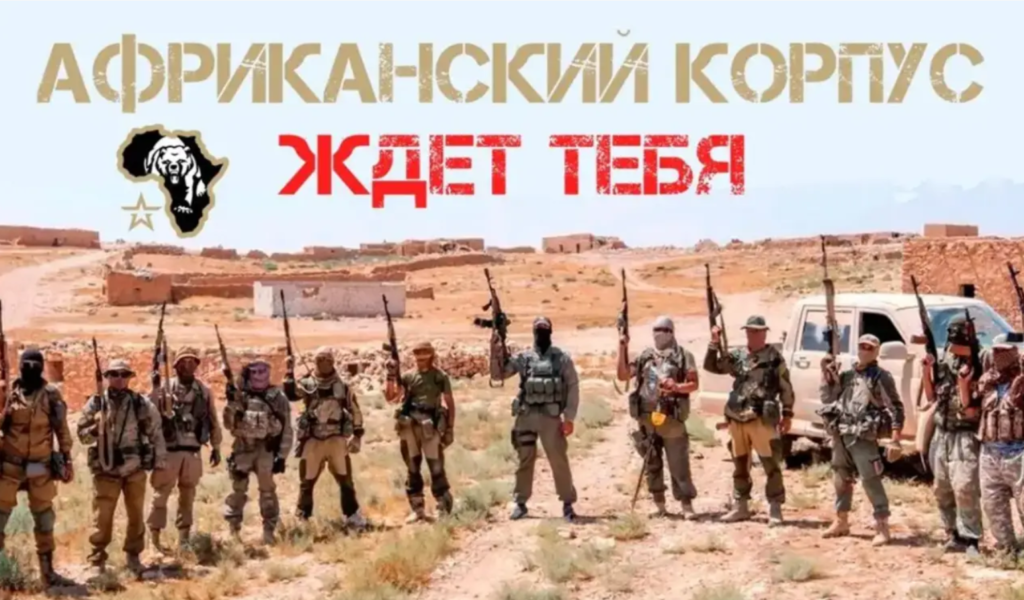
The military component remains the most visible element of Russia’s presence. This includes training local armed forces, protecting regimes and critical infrastructure, and exporting weapons. After 2023, this presence was restructured through the creation of the so-called “African Corps” – a structure linked to the Russian Ministry of Defense that incorporated part of the former Wagner Private Military Company personnel. According to open sources, coordination of the African track within the Ministry of Defense has been carried out at the level of the Deputy Minister of Defense, with Yunus-Bek Yevkurov frequently mentioned in connection with engagement in the region.
The political-diplomatic instrument consists of supporting military regimes that resist Western and regional pressure. Russia positions itself as a partner without conditions. In the media sphere, this narrative is framed through phrases about “respect for sovereignty,” “absence of moralizing,” “real assistance,” and a “common front against lies.” In practice, this translates into the neglect of issues such as democracy and human rights.
Despite the active presence of Russian mercenaries “on the ground,” the informational component is no less important as a tool for legitimizing the Kremlin’s activities on the African continent. Russian information operations in the Sahel are systemic and go far beyond classical propaganda. They form an ecosystem in which digital communications are combined with offline activities – educational, cultural, and “humanitarian” initiatives.
At the same time, the creation of alternative formats for regional cooperation, such as the Mali–Burkina Faso–Niger Trilateral Alliance, Alliance of Sahel States (AES), is being encouraged, undermining traditional mechanisms for regional coordination.
The Ecosystem of Russia’s Informational Presence
Despite the active presence of Russian mercenaries “on the ground,” the informational component is no less important as a tool for legitimizing the Kremlin’s activities on the African continent. Russian information operations in the Sahel are systemic in nature and go far beyond classical propaganda. They form an ecosystem in which digital communications (Telegram, Facebook, multilingual media platforms) are combined with offline activities – educational, cultural, and “humanitarian” initiatives. Independent investigations describe the Sahel as a kind of “laboratory” for testing influence campaigns, as after the wave of coups in the region the media environment shifted significantly in favor of pro-Russian and anti-Western frames.
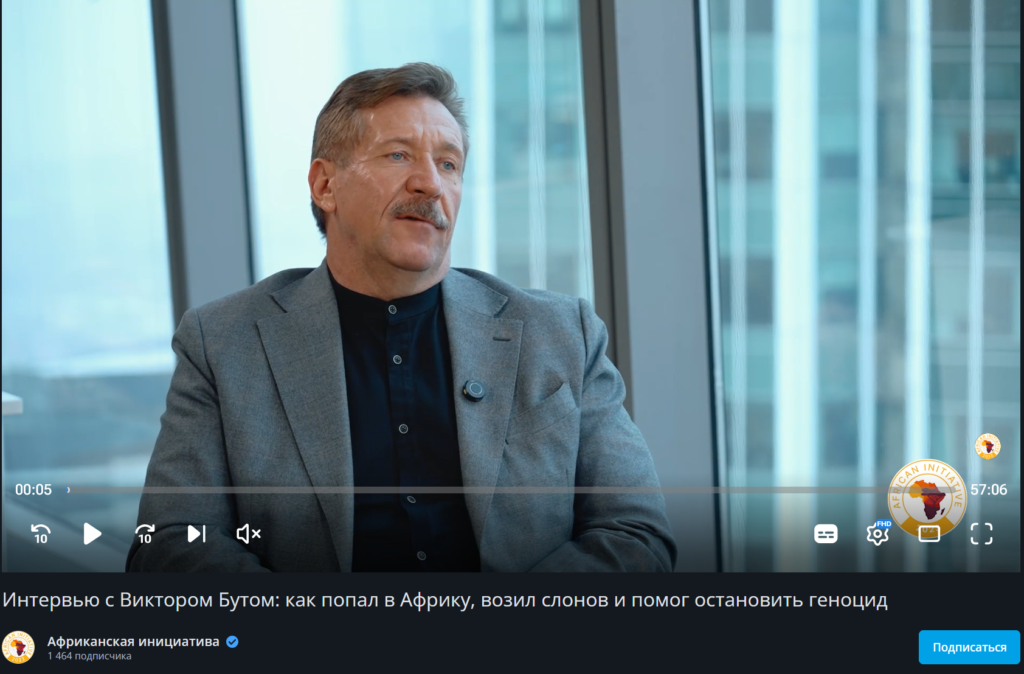
Western analytical structures refer to the African Initiative as the central element of this ecosystem – a network that combines media activity with fieldwork under the appearance of non-governmental organisations. The project functions as a ‘two-headed’ structure: on the one hand, it is an information hub that produces content in different languages; on the other, it is an offline network that recruits journalists, influencers, and media activists to relay the desired narratives in local communities.
Within the pro-Russian discourse targeting Sahel audiences, several master narratives are consistently reproduced. The first is anti-colonial (anti-French). France and the West in general are presented as the main perpetrators of the region’s security and socio-economic problems, the concepts of ‘neo-colonialism’ and ‘Françafrique’ are used to explain virtually any crisis.
Institutional Dimension: Cultural Diplomacy as a Tool of Legitimation
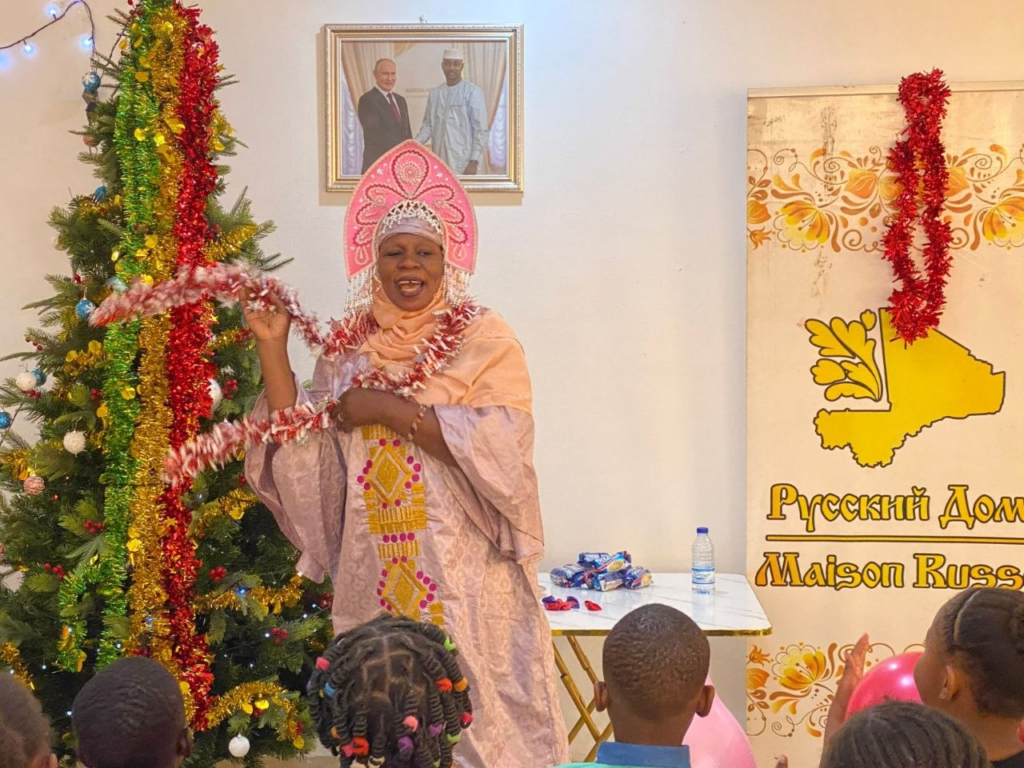
State and semi-state “soft power” institutions play a distinct role within this ecosystem. Rossotrudnichestvo and the network of Russian Houses formally present themselves as cultural and educational platforms. However, in practice they function as venues for shaping a loyal informational environment. In the countries of the AES, the network of Russian Houses is present in Niamey (Niger), as well as through partnership or preparatory formats in Bamako (Mali) and Ouagadougou (Burkina Faso), according to official Rossotrudnichestvo resources and affiliated media platforms. In 2024–2025, events hosted at these venues included the exhibition “The Battle of Kulikovo: A Symbol of the Struggle for Freedom” in Niamey, Russia Day celebrations, language courses, and youth cultural forums; such initiatives aim to create a sense of the “normality” of Russia’s presence.
The activities of the Gorchakov Fund are also significant, as it works with local experts, journalists, and activists. This engagement allows Russia to invest not only in short-term campaigns but also in building a network of future carriers of pro-Russian interpretations of events.
Kremlin’s Real Strategic Objectives
Behind the declarative rhetoric of sovereignty and counterterrorism lie pragmatic geopolitical goals. First, the displacement of France and the EU from their traditional spheres of influence in Africa. Second, the formation of networks of political and security dependencies that allow the Kremlin to influence the decisions of partner regimes. Third, the conversion of military and informational presence into diplomatic and economic dividends at the global level.
Russia’s presence in the Sahel is an element of a long-term geopolitical strategy rather than a situational response to regional crises. Information operations and institutionalized “soft power” play a key role in this strategy, ensuring the legitimization of Russian influence and reducing political costs for local regimes.
At the same time, it is important to understand that the existing Telegram ecosystem operates not only for African audiences but also for domestic Russian consumers. Telegram channels covering Russian mercenary operations in Africa effectively perform a dual function: on the one hand, they legitimize Russia’s presence in the Sahel as a “request from partners” and a “rational security necessity.” Simultaneously, they shape the image of Africa for the Russian audience as a space of strategic success and geopolitical revenge.
Through mobilizing rhetoric, emphasis on the “effectiveness” of force-based solutions, and repeated references to the struggle against “neocolonialism,” these channels explain and justify the African direction as a natural extension of Russia’s global role. Therefore, within the Kremlin’s information framework, the Sahel is not a periphery, but proof that Moscow is capable of forming an alternative order outside the Western orbit.

